GIARDINA: Rediscover the Radiance of the Human Person
La GIARDINA
“ponder the fact that god has made you a gardener.”
La Giardina is Founded on the belief that beauty still flourishes from its source. Our Founder, Dr. Sarah Maple, has made it a tribute to John Paul II’s enduring meditations on the life of our first parents in the Garden of Eden. Too quickly do our readings often turn to the sin and repercussions of expulsion in Genesis 3.
In his work on the origins of the human person, John Paul II invites us into a metaphysical imagination that reclaims the truth of our very being: where we have come from and what we were created to be is still the beautiful foundation of my whole life. If what we were meant to be ‘in the Beginning’ is still the archetype of our nature, what would it look like if artists - and everyone - lived by this invitation? “La Giardina” offers direction from the foundation of “The Garden” for the continued research on and cultivation of the interior life of the artist, and all those in search of truly creative solutions.
Were there artists in Eden?
Come think with me
“ponder the fact that god has made you a gardener, to root out vice and plant virtue.” St. catherine of siena
*
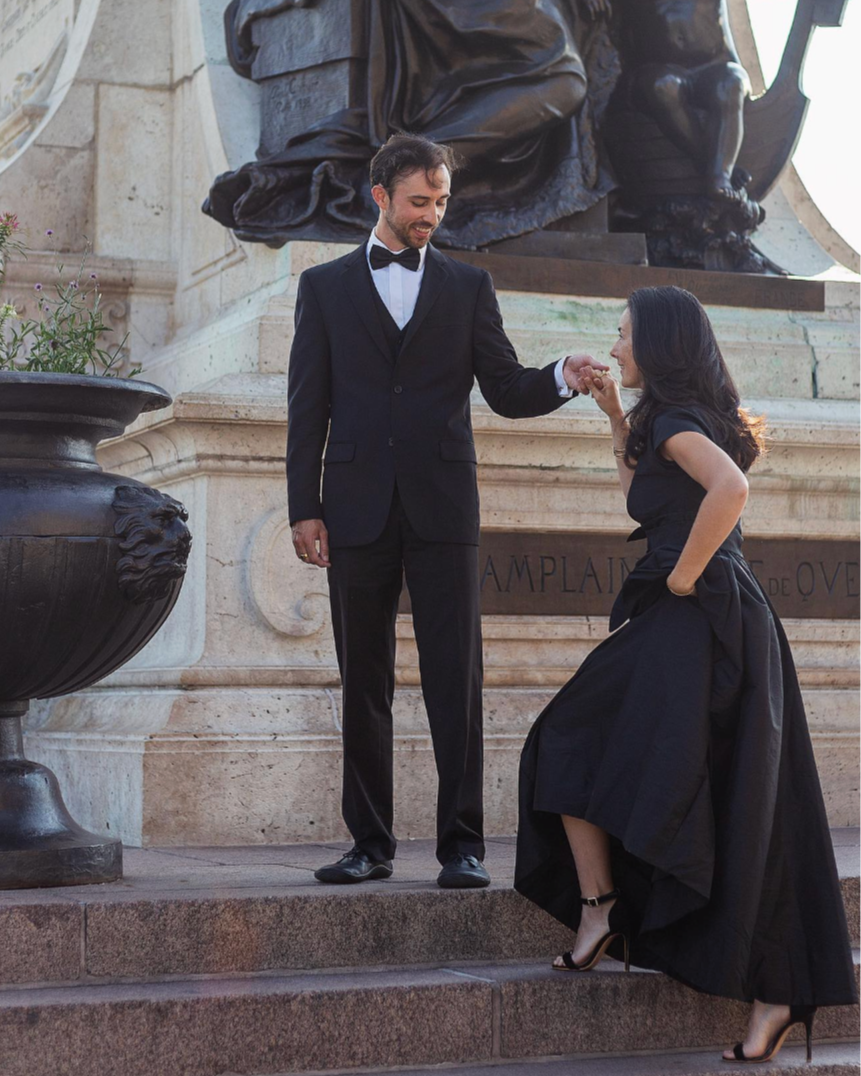
Sarah E. Maple, Ph.D., is a painter, theologian, and professor whose work emphasizes the intersection of creative bodily expression, the sacred imagination, and the interior life of the artist. She wrote her doctorate at the University of St. Andrews’ Institute for Theology, Imagination and the Arts, and read for her MTS at the Pontifical John Paul II Institute. She lectures graduate students in theology and art at both the University of Notre Dame and St. Joseph’s Seminary. She is a Research Scholar at The William G. Congdon Foundation and the University of Oxford’s Blackfriars Hall within the Centre for Theology and the Arts.
Join us in this beautiful adventure
The Resurrection of Beauty
Launching Fall 2026
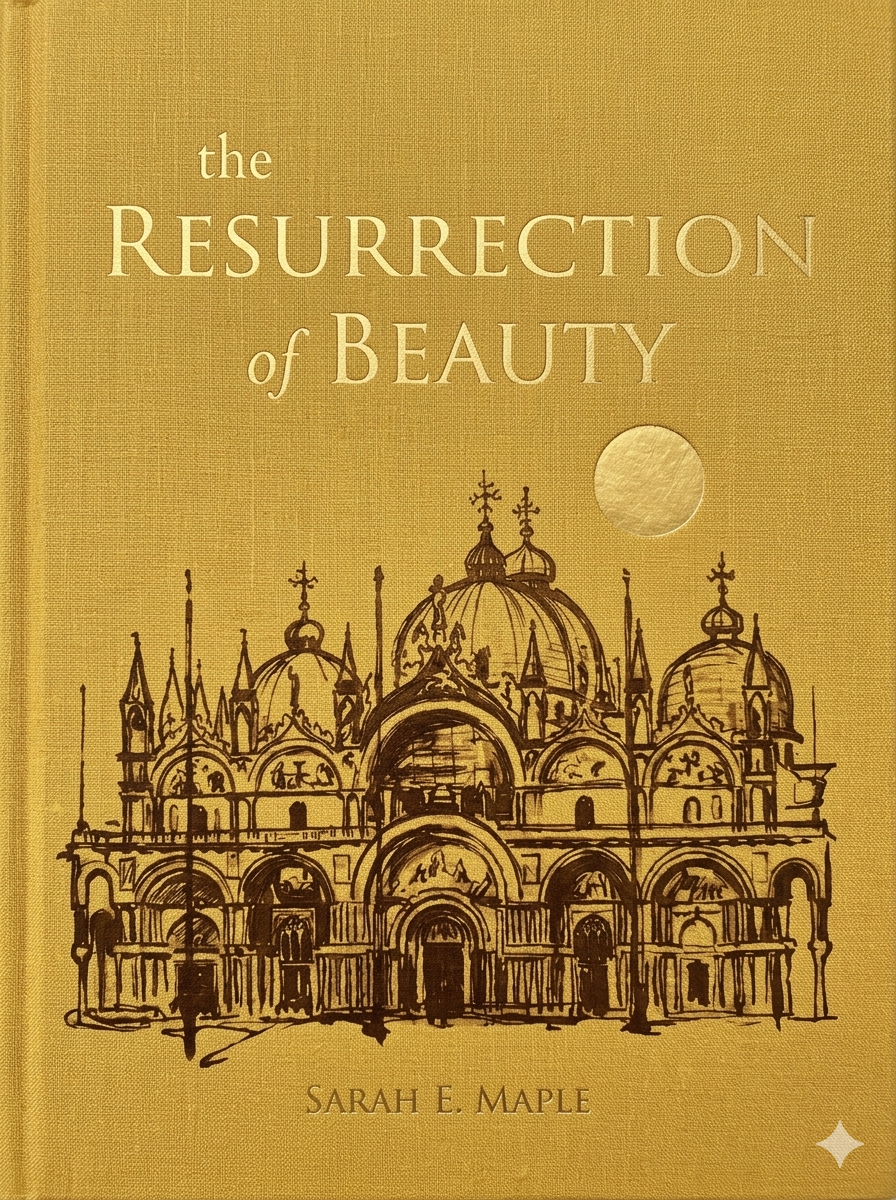
In The Resurrection of Beauty, Sarah E. Maple approaches aesthetics and the formal criteria for beauty by forging a new realm of perception not developed since the transformative reflections of John Paul II. The arts, and particularly Abstract Expressionist painting, are "capable of holding the weight of metaphysical truths." Christian anthropology when applied to this movement redeems a more expansive notion of the meaningfulness of human expression. Where art may seem "less human" or without form, there are nevertheless elements of "beauty" that defy those limitations that fail to recognize the full consequence and content of creative human expression. In conversation with Thomas Aquinas, Maple's discussion of personhood and aesthetics challenges classical positions of beauty and moves them to embrace a broader vision of what art is through a lens deeply focused on who man is.
Through art and creativity, Maple restores an understanding of the origins of man, his nature, and his responsibility that renders itself unto gift. The artist is a paradigm of the man fully alive, and his art contains a form that transcends what the eye alone catches. In this sense, Maple succeeds in presenting the artist as a model for anyone seeking to live well and pursue truth. Her presentation of the life and work of William Congdon offers an enthralling example of the vocation of the artist.
Maple’s thought develops John Paul II’s work on “original man” with the life and works of artist William Congdon to establish a vision of the "permanent roots" of the human person and in support of the interior life of the artist. In doing so, she reveals the implications for creative expression and how it sets the groundwork for an "imperishable aesthetic" based in personhood. What emerges is a "new dimension of beauty" that is "truly human." This means that old criteria must either fall away or burst open to accommodate the metaphysics of seeing and the imperishable object of this sight. The foundation of this 'new' aesthetics is Christ, and the enduring measure of high art is revealed as the "Cruciform aesthetics."
Welcome to the Conversation
We would love to hear your desires and inspirations; together we would love to craft a tailored path for what’s to come.